
New 2026 Wind Turbine Safety Standards
April 14, 2026
Safety Isn’t Just Harnesses; It’s Your Body
June 9, 2026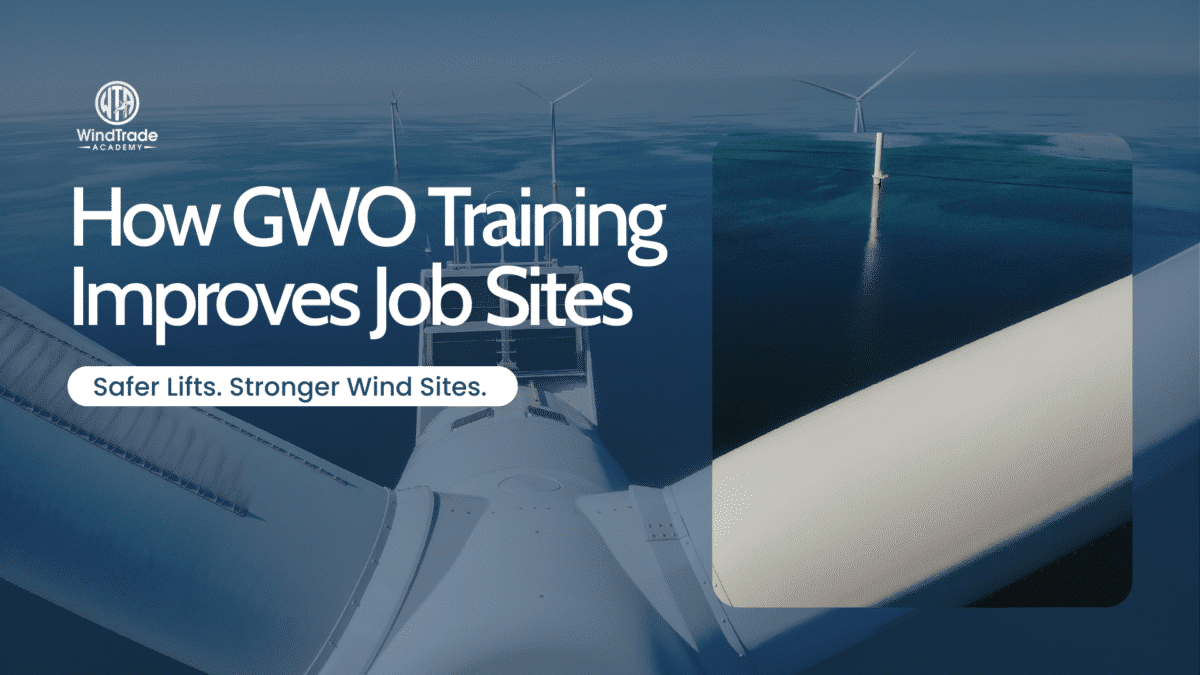
Wind farm operations rely heavily on lifting systems. From installing turbine components to performing routine maintenance, cranes and hoists play a critical role in daily operations. When these systems are handled improperly, the risks are significant. Equipment damage, project delays, and safety violations can quickly disrupt a wind energy project.
For site managers responsible for productivity and safety, having technicians trained in GWO crane and hoist standards can make a measurable difference.
The Global Wind Organisation (GWO) created standardized training modules to ensure technicians working with lifting equipment follow consistent global safety practices. Programs like GWO Slinger Signaller Training teach technicians how to safely coordinate lifts, communicate with crane operators, and manage rigging systems in complex turbine environments.
For site managers, this training translates into smoother operations and fewer costly setbacks.
Reduced Equipment Damage
One of the most immediate benefits of having GWO-trained technicians is a reduction in equipment damage.
Wind turbine components are large, expensive, and often lifted hundreds of feet above the ground. A single mistake during a lift can damage blades, nacelles, or tower sections. Improper rigging techniques or poor communication with crane operators can lead to dropped loads or structural strain.
Technicians trained in GWO crane and hoist standards learn:
- Correct slinging and rigging techniques
- Proper load control procedures
- Communication signals between riggers and crane operators
- Risk assessment before lifting operations
These skills reduce the likelihood of dropped components or misaligned loads. For site managers, this means fewer repairs, less downtime, and significant cost savings.

Fewer Project Delays
Wind farm construction and maintenance schedules are tightly coordinated. If lifting operations fail or require rework, entire project timelines can be affected.
When technicians lack proper crane and hoist training, managers may encounter issues such as:
- Miscommunication between lifting crews
- Incorrect rigging setups
- Load instability during lifts
- Emergency stops during operations
All of these issues can slow down installation or maintenance work.
Technicians trained through GWO lifting and signaling programs understand how to execute lifts efficiently and safely. They follow structured procedures and communicate clearly with crane operators and supervisors.
This level of preparation helps site managers keep projects on schedule and reduces the risk of unexpected downtime.

Better Regulatory Compliance
Compliance is one of the biggest responsibilities site managers face in the wind industry. Safety inspections, regulatory reviews, and internal audits all require proof that workers have proper training.
Because GWO training is globally recognized, technicians certified in crane and hoist standards help site managers demonstrate compliance with industry safety expectations.
Many wind developers and operators now require technicians to hold valid GWO certifications before working on lifting operations. Having a workforce trained under these standards provides documentation that workers meet international safety benchmarks.
This reduces the administrative burden on site managers who must verify training credentials during inspections.

Smoother Safety Audits
Safety audits are a regular part of wind farm operations. These audits may come from project owners, regulatory agencies, or internal safety departments.
When lifting operations are involved, auditors often focus on:
- Training records
- Lifting procedures
- Communication protocols
- Equipment inspection documentation
Crews trained in GWO crane and hoist procedures are already familiar with these requirements. They understand how to follow standardized safety protocols and document lifting activities correctly.
For site managers, this means fewer audit findings and smoother compliance reviews.
Instead of scrambling to address training gaps during inspections, managers can confidently show that their teams meet internationally recognized safety standards.

Improved Team Communication and Coordination
Wind turbine lifting operations require precise coordination between multiple roles. Crane operators, riggers, technicians, and supervisors must communicate clearly during every lift.
GWO crane and hoist training emphasizes standardized signaling and communication methods. This consistency improves teamwork and reduces confusion during high-risk operations.
When everyone on a crew understands the same procedures and signals, lifts become safer and more efficient. Site managers benefit from improved collaboration and fewer misunderstandings between team members.

Why Wind Trade Academy Supports GWO Standards
At Wind Trade Academy, training programs are designed to align with global industry standards, including those established by the Global Wind Organisation.
Courses such as GWO Slinger Signaller Training prepare technicians to safely coordinate lifting operations in wind turbine environments. Students learn through hands-on instruction and real-world simulations that mirror the conditions they will encounter in the field.
By graduating technicians who understand crane and hoist safety procedures, Wind Trade Academy helps wind farm operators build teams that are prepared for the demands of modern wind energy projects.

The Bottom Line for Site Managers
For site managers overseeing wind farm construction and maintenance, the value of properly trained technicians cannot be overstated.
When crews are trained in GWO crane and hoist standards, managers gain:
- Reduced equipment damage
- Fewer operational delays
- Improved regulatory compliance
- Smoother safety audits
- Better teamwork during lifting operations
In an industry where safety, efficiency, and reliability are critical, investing in proper technician training is one of the smartest decisions a wind project leader can make.

Start Building a Safer Wind Crew
If you want your team prepared for the demands of wind turbine lifting operations, training matters.
Wind Trade Academy provides industry-aligned courses that equip technicians with the knowledge and practical experience needed to perform safely in the field.